
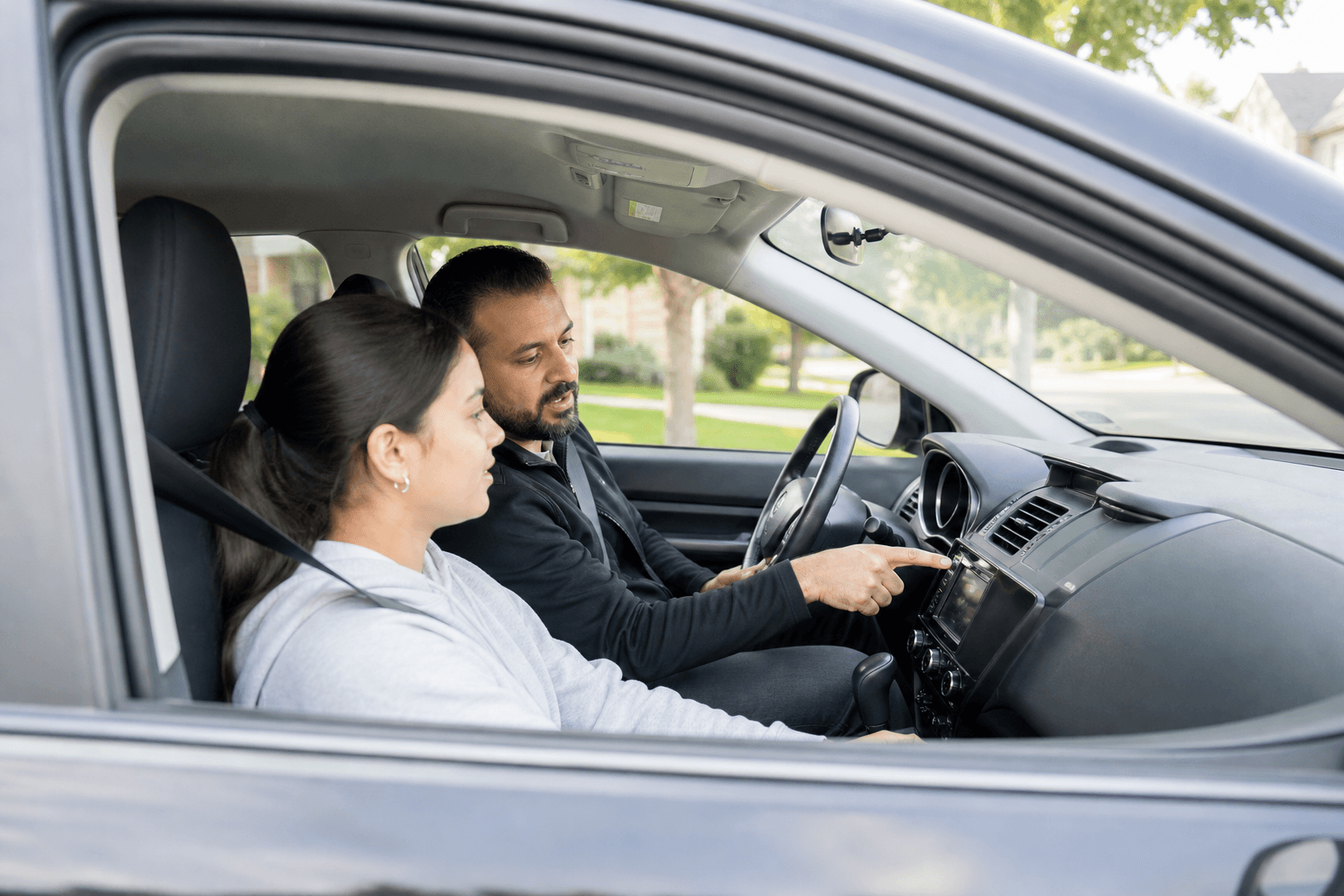
Accessible driving lessons should match your licence goal, communication needs, learning pace, physical requirements, and vehicle situation. Khurana Driving School confirms one-to-one coaching, beginner, G2, G, defensive-driving, theory, package, evening, weekend, and booking-support options. Adapted vehicles, specialist disability instruction, accessible facilities, and pickup arrangements require confirmation before booking.
What accessible driving lessons should mean in practice
Accessible driving lessons are arranged so you can understand the instruction, participate safely, and progress without avoidable barriers. Accessibility may involve physical access, vehicle controls, communication, lesson pace, confidence support, privacy, scheduling, or the location where the lesson begins.
For one learner, accessibility may mean plain-language explanations and extra repetition. For another, it may involve limited range of motion, mobility equipment, hearing or vision differences, a learning disability, anxiety, or regular breaks. These needs are not interchangeable, so the first conversation should focus on what affects safe instruction for you.
Khurana describes tailored lessons based on each learner’s needs and learning style, including private one-to-one in-car coaching. Its listed options include beginner lessons, G2 and G preparation, defensive driving, theory classes, individual lessons, and packages. Adapted vehicles, specialist controls, facilities, and pickup arrangements are not detailed in the available service information, so treat the first enquiry as a fit and safety discussion.
Choose the lesson format that matches your need
The best starting point depends on your experience, licence stage, driving goal, confidence, practice opportunities, and any accommodation that affects the lesson.
| Lesson option | May suit you if | Ask before booking |
|---|---|---|
| Beginner lessons | You have little or no experience and need gradual vehicle-control and quiet-road practice. | How will the first lesson be paced if you need extra repetition? |
| Individual lessons | You need focused coaching for a skill, communication preference, confidence concern, or schedule. | Can the lesson plan reflect your current ability and learning style? |
| Refresher support | You hold a licence but have stopped driving or want to rebuild confidence. | Can the first session assess your present skills? |
| G2 preparation | You need structured practice for manoeuvres, observation, intersections, and lane changes. | Will you receive a readiness assessment and targeted feedback? |
| G preparation | You need full-licence preparation, including higher-speed roads and broader traffic decisions. | How will higher-speed practice be introduced at a suitable pace? |
| Defensive-driving instruction | You want hazard awareness, space management, anticipation, and safer responses. | How is defensive driving applied during the lesson? |
| Theory classes | You need help with Ontario road rules, signs, or driving concepts. | Is theory separate from in-car instruction? |
| Lesson packages | You have a defined goal and expect to benefit from connected sessions. | What happens if progress is slower or faster than expected? |
A complete beginner should usually start with a beginner or individual assessment, not a package chosen without discussing their needs. Khurana lists beginner instruction and individual lessons, but no single package is best for every new driver.
Lesson frequency should reflect your confidence, practice time, starting point, and licence goal. Closely scheduled lessons can maintain continuity, but a compressed calendar cannot replace practice, feedback, or Ontario’s licensing requirements.
What to confirm about vehicles, mobility, and meeting arrangements
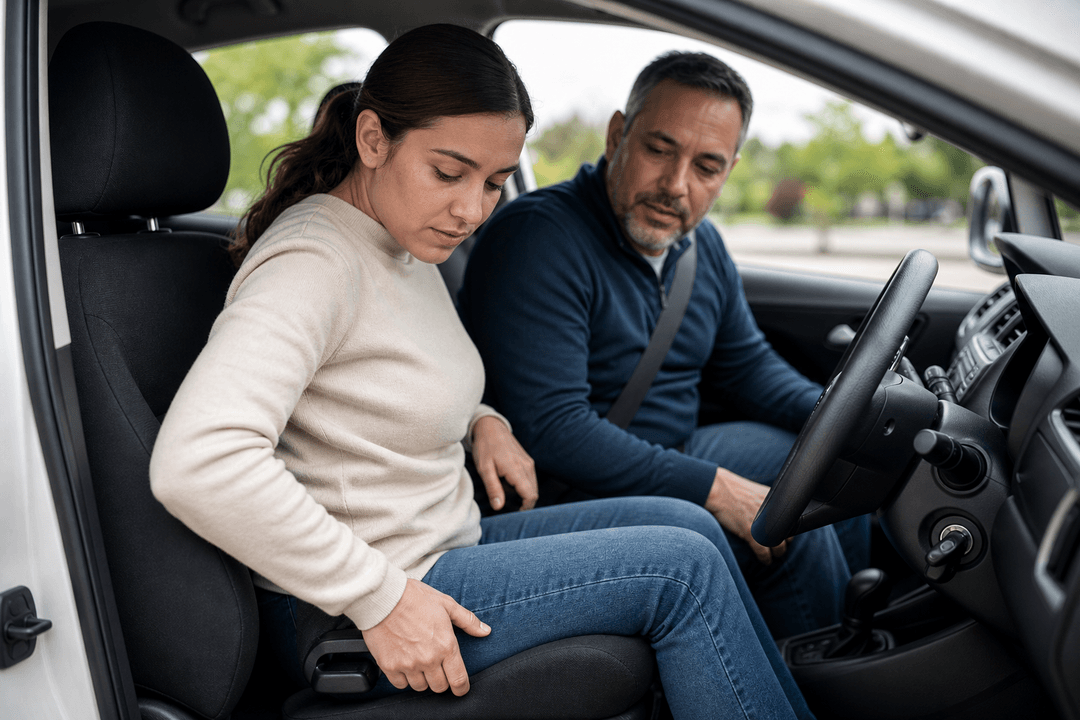
If you use a mobility aid, have limited range of motion, need adapted controls, or learn best in a particular vehicle, discuss those details before confirming an in-car lesson. Vehicle suitability affects whether you can operate the controls consistently and safely.
- Can the school vehicle accommodate your seating, transfer, visibility, and control needs?
- Can instruction take place in your own adapted vehicle?
- Are hand controls, a left-foot accelerator, a spinner knob, or another modification supported?
- Who supplies, installs, checks, and insures adaptive equipment?
- Where does the lesson begin, and is the meeting point accessible?
- Is pickup from home, school, work, or another location available at your address?
- Do parking, building access, washrooms, or classroom access affect your service?
Before paying or beginning instruction, confirm the vehicle, controls, meeting point, and equipment. An unsuitable vehicle or control setup can create a safety risk during the lesson.
Plan communication, pacing, and confidence support
Communication accessibility means you can understand the instruction and demonstrate what you have learned. Explain whether you prefer short verbal prompts, plain-language explanations, demonstrations, written notes, repetition, extra processing time, or a consistent sequence of instructions.
Hearing or vision differences may affect how instructions, mirrors, signals, hazards, or demonstrations are presented. Cognitive, learning, or sensory needs may make a quieter environment, one task at a time, predictable routines, or frequent pauses useful. These are appropriate topics to discuss, but an accommodation is not confirmed until the school agrees to it.
Anxiety can also be an accessibility barrier. A learner who becomes overwhelmed in heavy traffic may need gradual progression from quieter roads to more complex environments. Khurana’s verified service information supports personalized one-to-one coaching and confidence-building, but it does not promise a particular pace, credential, or accommodation for every condition.
Ask how corrections are given, how progress is reviewed, and whether you can request a pause if you become overloaded. Confidence should develop alongside safe observation, speed control, following distance, lane position, and decision-making.
How to start an accessibility conversation with Khurana Driving School
Begin with your licence stage, experience, goal, accessibility questions, preferred schedule, vehicle situation, and meeting preference. Ask the school to confirm where instruction will begin and whether that location suits your access needs.
- State your licence stage. Say whether you have a G1, G2, full G licence, or another relevant status.
- Describe your experience. Explain whether you are starting from zero, returning after a break, or preparing for a test.
- Share your goal. This may be independent driving, confidence building, defensive-driving practice, theory support, or road-test preparation.
- Share relevant access needs. Mention control requirements, communication preferences, pacing, mobility concerns, or breaks. A diagnosis is not necessary unless relevant to safe instruction.
- Ask what can be supported. Request clear answers about the vehicle, instructor approach, meeting point, format, and schedule.
- Confirm before paying. Check terms, inclusions, timing, location, vehicle arrangements, and unresolved safety questions.
Khurana’s 24/7 support refers to enquiries, booking assistance, and scheduling discussions. It does not mean in-car instruction is available around the clock. Evening and weekend lessons may be requested, but the actual time and meeting arrangement must be agreed in advance.
Private lessons, BDE, and Ontario licensing context
Individual driving lessons and an approved Beginner Driver Education course are not automatically the same service. Private coaching can focus on your current skill, accessibility questions, confidence, or test goal. A government-approved BDE course has defined in-class and in-vehicle requirements and should be identified as approved. Source: Government-approved driving schools - Dataset - Ontario Data Catalogue.
Ontario says government-approved driving schools are licensed and must meet requirements for in-class and in-vehicle training, administration, and advertising. The official MTO Driver’s Handbook explains that an approved BDE course can teach safe-driving skills and attitudes and that lessons are taught by ministry-licensed instructors. Read the Ontario guidance on approved driving schools before choosing a course.
- Is this government-approved BDE or private instruction?
- Which in-class, online, and in-vehicle components are included?
- Are lessons taught by a ministry-licensed instructor?
- Does the course provide a licensing or insurance benefit, and what conditions apply?
- Can the course structure be adapted to your communication and access needs?
Can you learn to drive for free? Professional instruction is generally paid, while supervised practice with an eligible accompanying driver is separate. Do not assume a free programme, adapted vehicle, or specialist assessment is available unless it is confirmed.
Accessibility checklist before you book
Use this checklist during your first conversation. A clear “yes,” “no,” or “we need to assess that” is more useful than a broad promise of flexibility.
Lesson and instructor fit
- Does the lesson match your licence stage and immediate goal?
- Will you receive one-to-one instruction and real-time feedback?
- Can the instructor explain tasks in your preferred style?
- What experience or credentials are relevant to the instruction?
Pacing and communication
- Can you request repetition, slower progression, or a short break?
- How will busier roads, highway driving, or complex intersections be introduced?
- How will progress and recurring difficulties be reviewed?
Vehicle, mobility, and access
- Can you enter, sit, see, and operate the vehicle safely?
- Are adaptive controls supported, and who manages the equipment?
- Can you use your own adapted vehicle?
- Where will the lesson start, and is that meeting point suitable?
- Are pickup, parking, building access, and washroom arrangements available if needed?
Schedule and terms
- Are evening or weekend times available?
- Does 24/7 support mean enquiries outside regular hours, or an actual lesson?
- What are the lesson length, price, package inclusions, cancellation terms, and payment arrangements?
- Can you receive the agreed details before paying?
Pause the booking if a vehicle, control, meeting-point, or other safety question remains unanswered. Khurana lists evening and weekend options and several lesson formats, but exact access arrangements, prices, terms, vehicle suitability, and specialist accommodations must be confirmed directly.
Questions to ask before your first lesson
Can accessible driving lessons use an adapted vehicle or hand controls?
Possibly, but adapted vehicles, hand controls, and other specialist equipment are not detailed in Khurana’s supplied service information. Ask whether the school vehicle or your own adapted vehicle can be used, who manages the equipment, and how suitability will be assessed.
Can I request slower pacing, breaks, or communication adjustments?
You can request these arrangements during the enquiry, but they must be confirmed for your situation. Khurana describes personalized one-to-one coaching and lessons tailored to learner needs and learning style, while exact pacing, breaks, communication methods, and instructor fit require discussion.
Does 24/7 support mean lessons are available at any hour?
No. It refers to enquiries, booking assistance, and scheduling discussions, not 24-hour in-car instruction. Evening and weekend times may be available by agreement.
How do I ask about accessibility without sharing too much personal information?
Share practical information affecting safe instruction, such as your licence stage, vehicle needs, communication preference, pace, breaks, and meeting-point requirements. You can ask whether a diagnosis is necessary before providing it.
Choose a clear next step
Write down the support you need, your goal, and questions about the vehicle, communication, pacing, meeting point, schedule, and terms. Then ask Khurana Driving School about its driving lesson services and request a clear fit discussion in Mississauga, Brampton, or the GTA.