

G road test preparation plan for nervous and first-time drivers
Preparing for the Ontario G road test is about focused practice, correct paperwork, and being calm on the day. This checklist gives an MTO-aligned, Mississauga-centred plan you can use this week to practise the exact skills an examiner will watch for, know how to book and what to bring, and decide which pre-test lessons to book with a local driving school.
One‑page checklist: what to bring and vehicle musts
- Identification and licence: Bring your current Ontario driver licence and any secondary ID the DriveTest centre asks for. For booking and identification requirements see the official provincial guidance about getting a G licence.
- Booking confirmation: Have your DriveTest booking reference, preferred location and time choices ready when you call or book online; you will need your licence number when booking a G test as described by the province.
- Vehicle requirements: Use a safe, roadworthy vehicle with a valid plate, insurance and working lights, horn, signal indicators, mirrors, seatbelts and brakes. The car must be legally drivable and in the same condition the examiner would expect for everyday use. The MTO Driver’s Handbook lists the technical items and behaviours examiners inspect.
- Clean, unlocked vehicle: Arrive with the vehicle unlocked, fuelled, and free of loose items that could obstruct controls or the examiner’s view.
- Payment or ID for retest fees: If you need to reschedule or retake the test, have the necessary payment or information ready to avoid delays at the DriveTest counter.
For official booking steps and required information, consult the provincial Get a G driver’s licence page and the MTO Driver’s Handbook for technical vehicle and testing rules (Get a G driver’s licence, The Official MTO Driver’s Handbook).
What the examiner will watch for on the G test
Examiners assess safe, consistent decision making more than perfect execution of manoeuvres. The MTO Driver’s Handbook describes the behaviours and control checks examiners use; below are the critical areas you should demonstrate every time you drive during the test.
- Observation and scanning: Use mirrors and shoulder checks appropriately, show early scanning at intersections and before lane changes, and demonstrate awareness of surrounding traffic.
- Speed management: Drive with reasonable speed for the posted limit and road, adjusting for traffic, weather, and road conditions.
- Lane discipline and signalling: Signal early, change lanes smoothly, stay centred in the lane and maintain safe following distance.
- Highway driving: Merge safely, maintain highway speeds when appropriate, and use proper lane selection for passing and exits.
- Controlled stops and turns: Execute complete stops, correct lane positioning for turns, and stable steering control through curves and intersections.
- Parking and reversing: Complete any required parking manoeuvres safely and predictably when asked, with correct observation and control.
These items align with the MTO testing objectives found in the Driver’s Handbook; practise each skill until it becomes routine rather than forced (MTO Driver’s Handbook).
Practice drills to prioritise this week
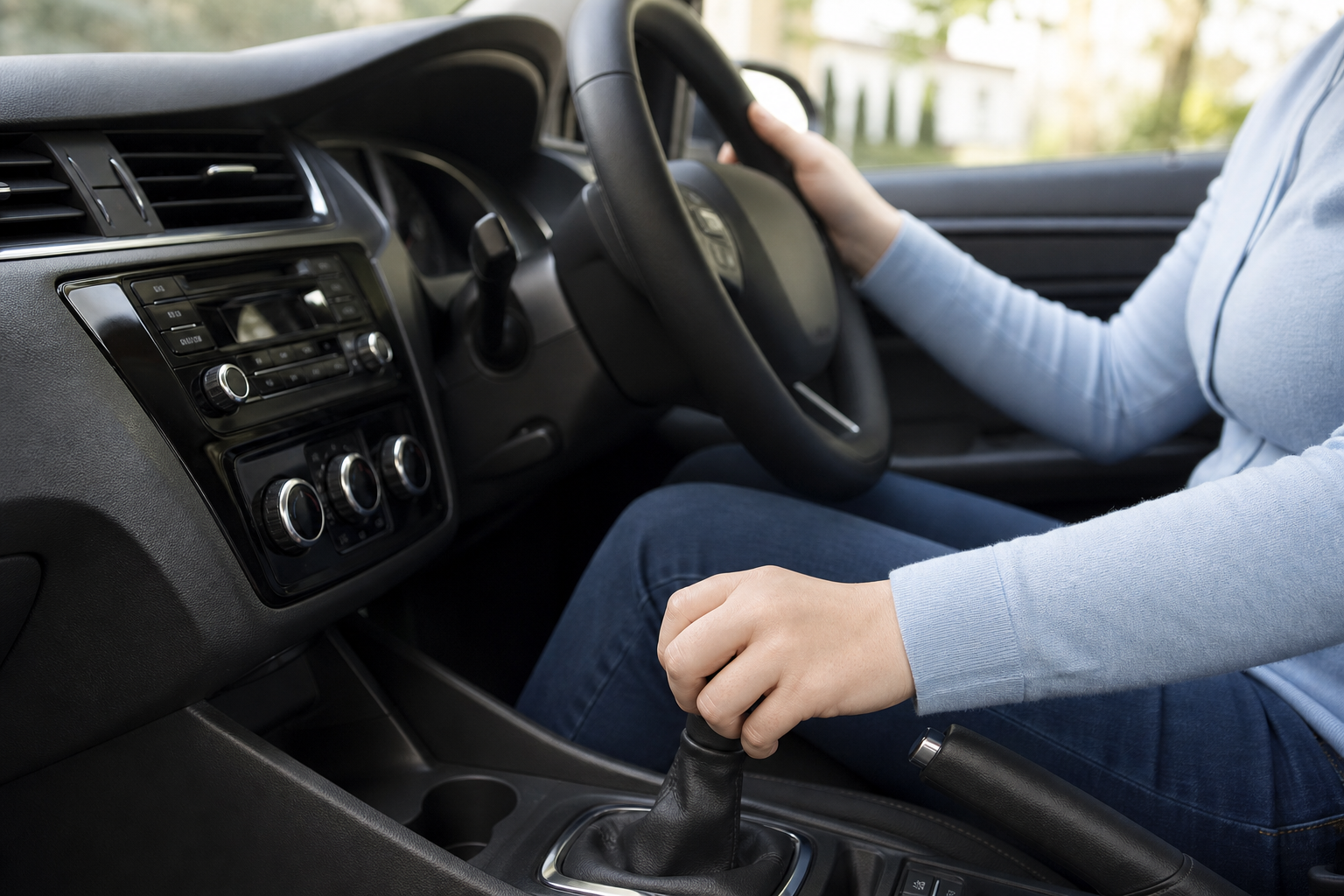
Short, repeatable drills produce the fastest gains. Spend two to four focused sessions on these drills before your test date. If you want targeted support for basic skills, see our related practice guide G2 road test tips: your clean, confident drive checklist for foundational drills you can adapt to G practice.
Highway merge and lane-hold drill
- Approach the on-ramp at a controlled speed and accelerate to match highway traffic flow.
- Signal early, check mirrors and a full shoulder check, then merge into a gap without forcing other drivers to brake.
- Once on the highway, hold a steady lane position and practise a safe following distance for several minutes.
Two- and three-lane change sequence
- While driving on a multi-lane road, choose a target lane two changes ahead.
- Signal, mirror, shoulder check, then move one lane at a time with stable speed and correct spacing. Repeat in the other direction.
Exit ramp and deceleration control
- Plan the exit early and signal in advance so you can reduce speed smoothly in the deceleration lane.
- Keep steady brake pressure to avoid abrupt slowing that unsettles the vehicle or following drivers.
Blind-spot and shoulder-check routine
Make shoulder checks a short, decisive motion that complements mirrors. Practise a one-two routine: mirrors first, then a shoulder check directly before your manoeuvre.
Mock test and correction loop
- Ask your instructor or a qualified observer to run a 20–30 minute mock G test covering highway, urban, and parking tasks.
- Spend the next session repeating only the elements where you received feedback, and run another short mock test to confirm improvement.
For structured pre-test lessons that emphasise these drills and defensive driving, Khurana Driving School offers focused sessions tailored to your gaps and confidence level (Khurana Driving School).
Day-of-test timeline: arrival, vehicle check, during the drive and result
- Arrival: Arrive early to the DriveTest centre to check in, present ID, and confirm the examiner has the correct booking details. Provincial instructions list the booking and arrival procedures to follow before your test.
- Vehicle check: The examiner will inspect basic vehicle safety items and may decline the test if a mandatory system is faulty.
- Pre-drive talk: The examiner will explain the test format and ask a few background questions. Ask for clarification if you do not understand an instruction.
- The drive: Drive naturally and follow normal road rules; the examiner will grade your performance against MTO criteria.
- Result and next steps: After the drive the examiner will tell you whether you passed, and give brief feedback on strengths and improvements.
For exact booking procedures and what to expect at check-in, refer to the province’s Get a G driver’s licence page (Get a G driver’s licence).
How many professional lessons to consider and what a pre-test lesson should cover
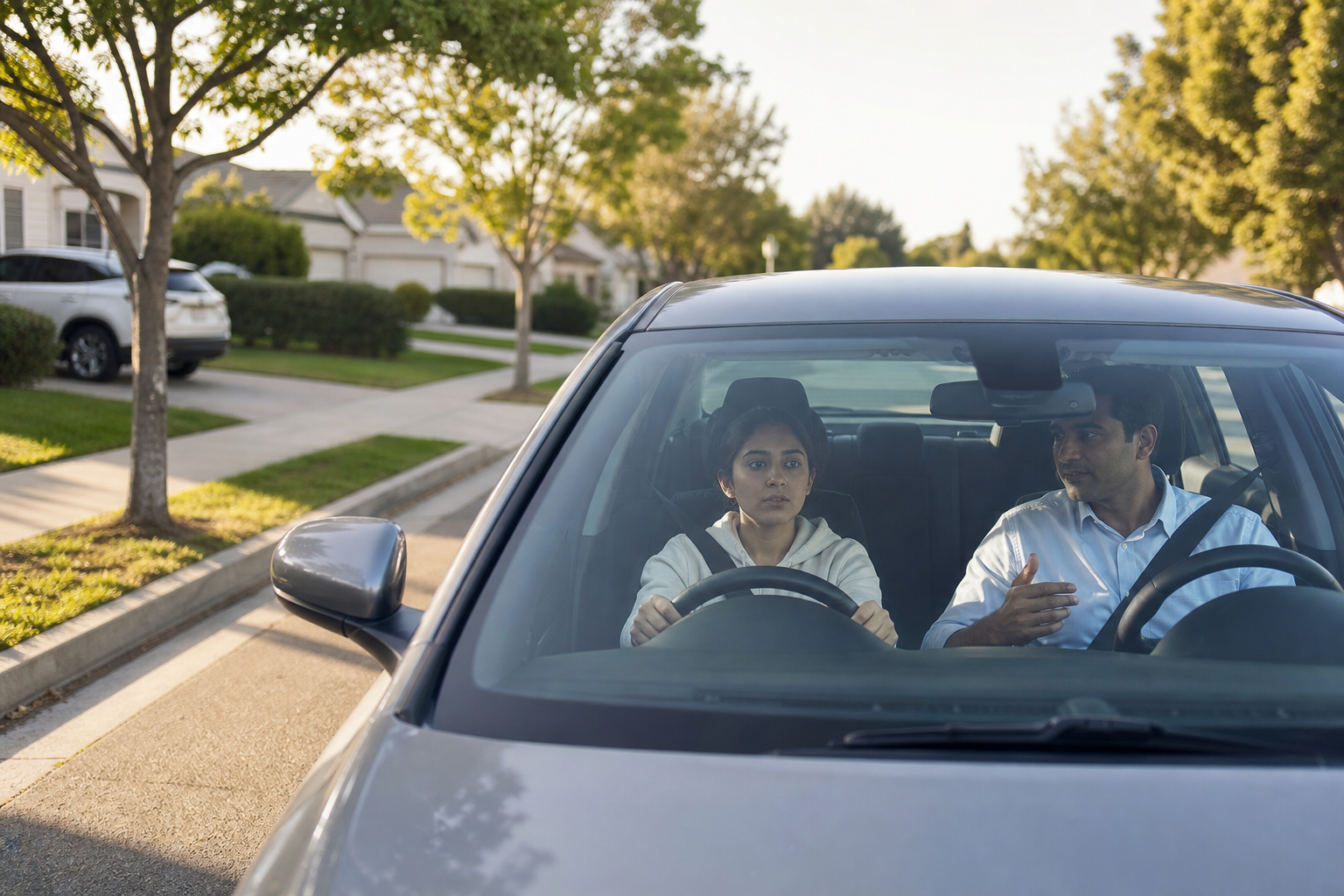
There is no universal number of lessons that guarantees readiness. Choose lessons based on your current comfort with highways, lane changes and parking. Many learners benefit from a focused pre-test package that includes at least one mock road test and targeted drills for their weakest tasks.
A productive pre-test lesson plan should include:
- Warm-up drive to assess comfort and control.
- Highway merging and lane-change drills under instructor supervision.
- A mock G test with time-pressured route choices and examiner-style instructions.
- Specific corrective coaching on scanning, speed control and lane positioning.
- Confidence-building strategies and a calm, repeatable routine to use on test day.
Khurana Driving School offers tailored lessons that emphasise defensive driving and confidence for nervous drivers, with flexible scheduling to fit evening and weekend needs (Khurana Driving School).
Common objections and decision criteria when choosing lessons
When deciding whether to book more lessons, weigh these criteria:
- Risk tolerance: If you need the licence urgently, prioritise a package that includes a mock test plus focused highway practice.
- Skill gaps: If highway merging or lane discipline is weak, buy lessons that specifically address those skills rather than generic hours.
- Budget and time: Choose a balanced package you can complete before the test date; many schools offer flexible multi-lesson packages.
- Instructor fit: A calm, patient instructor who explains steps clearly can speed learning for nervous drivers; read recent reviews and ask about mock-test experience.
Use recent student feedback and the school’s stated focus areas as decision inputs; Khurana Driving School lists a defensive driving methodology, flexible scheduling and high first-attempt pass feedback on its website (Khurana Driving School).
Where to practise in Mississauga and local route tips
Train on the road types you will face on test day: highway on-ramps and multi-lane arterials, suburban streets with lights and stop signs, and quiet residential areas for parking practice. In Mississauga, practise on nearby highways and major routes during off-peak hours to build confidence with merges and lane changes.
If you need structured practice on basic skills before progressing to highway work, start with our related guide G2 road test tips: your clean, confident drive checklist and then add targeted highway sessions for G test preparation.
Frequently asked questions
How do I book my G road test in Ontario and what information do I need to provide?
Book online, by phone or at a DriveTest centre. Have your Ontario driver licence number, preferred location and date options ready when you book. See the provincial instructions for exact booking steps and contact details (Get a G driver’s licence).
What documents and vehicle requirements must I bring to the G road test?
Bring your Ontario driver licence and any additional ID the DriveTest centre requests. Use a fully insured, roadworthy vehicle with working lights, mirrors, signals, brakes and seatbelts. The MTO Driver’s Handbook describes the vehicle and conduct standards an examiner will inspect (MTO Driver’s Handbook).
How many professional lessons should I book before the G test?
There is no fixed number. Base the decision on which skills you still struggle with. Many learners find one or two focused pre-test lessons, plus a mock test, are highly effective; others need a larger package. Choose lessons targeted to your weak areas, such as highway merging or lane discipline.
What should I expect the examiner to ask me to do during the G test?
The examiner will ask you to drive on a variety of roads, perform normal lane changes, merges, turns and any required parking or reversing. They will observe your observation, speed control and decision-making, and will explain instructions before the test.
What happens if I fail the G road test and how soon can I retake it?
If you fail, the examiner provides feedback on areas for improvement. You can rebook the test, but check DriveTest rules for any waiting periods or booking requirements; provincial booking details are available on the Get a G driver’s licence page (Get a G driver’s licence).
Khurana Driving School can create a focused pre-test lesson plan that targets the MTO criteria above and helps you practise the exact drills examiners expect. Book a session or learn more on the official site.


