
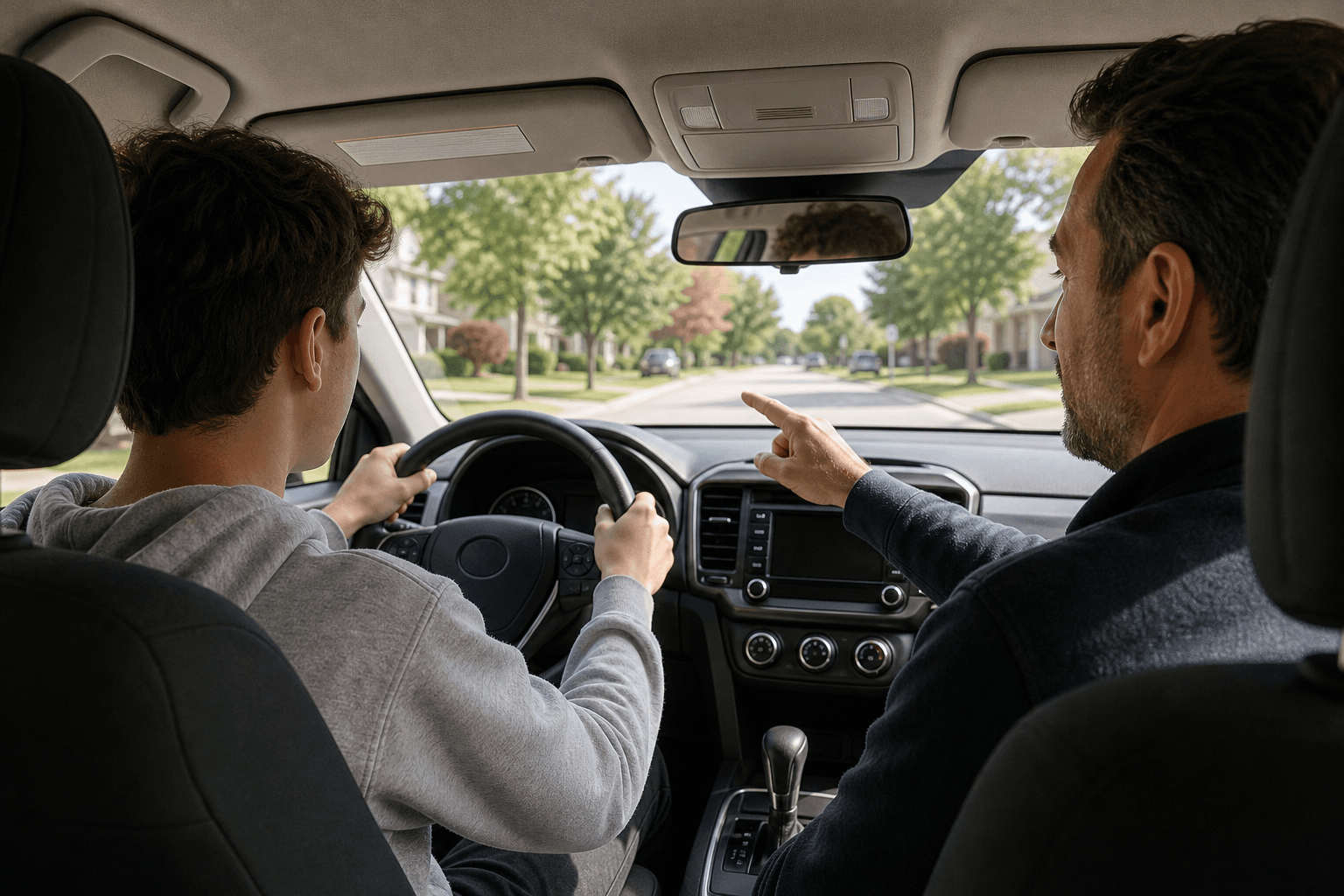
The right teen driver program in Ontario depends on the learner’s stage and goal. A government-approved Beginner Driver Education program offers a structured classroom and in-vehicle pathway, while private lessons or packages provide more targeted flexibility. Before enrolling, compare the curriculum, instructor credentials, lesson duration, total cost, cancellation terms, scheduling, and progress assessment.
Teen driver programs in Ontario start with the licence stage
“Teen driver programs” is a broad term for training that helps young people progress through Ontario’s graduated licensing system. A person must be at least 16 to apply for an Ontario driver’s licence, and new drivers need supervised practice and experience as they advance. Ontario’s graduated licensing information explains the current path.
The first decision is whether the teen needs a formal Beginner Driver Education course, private one-on-one coaching, a series of lessons for a specific goal, or a combination.
What Beginner Driver Education means in Ontario
Beginner Driver Education, usually called BDE, combines classroom learning with in-vehicle instruction. Ontario’s curriculum standards set learning outcomes and instructional requirements, so an approved course is more than a collection of unrelated lessons.
Government-approved schools must meet requirements for classroom and in-vehicle training. The province describes approved training as including 40 hours completed within one year. It also notes that approved training may help a learner take the G1 exit road test sooner and may support insurance savings. Families should confirm eligibility and any insurance effect for the specific program and insurer. Review the government-approved school requirements before enrolling.
A BDE course is not automatically the same as every private lesson. Ask whether the provider offers an approved BDE program or ordinary private instruction, and request the classroom and in-car components in writing. The Official MTO Driver’s Handbook provides the provincial licensing context.
Three teen driver program formats compared
Compare government-approved BDE, private one-on-one lessons, and multi-lesson or intensive packages. The best choice depends on the structure the teen needs, the skills requiring attention, and whether the family wants formal classroom instruction.
| Format | Usually suits | Main strength | Questions to verify |
|---|---|---|---|
| Government-approved BDE | First-time learners who want a formal curriculum and may value licensing or insurance considerations | Classroom and in-vehicle training within a defined structure | Is the school and course currently approved? What classroom, in-car, and flexible components are included? |
| Private one-on-one lessons | Learners needing flexible scheduling, personal feedback, or targeted practice | Focused coaching based on experience and immediate weaknesses | What does one lesson include? How long is it? How is progress recorded? |
| Multi-lesson or intensive package | Learners building skills toward a staged goal such as G2 preparation | Continuity across several sessions | What is included? How long is the package valid? What happens if the schedule changes? |
Choose BDE if formal curriculum, classroom instruction, and possible licensing or insurance considerations matter most. Choose private lessons if the teen needs concentrated feedback or has an irregular schedule. Choose a package if a planned sequence is more useful than booking one session at a time.
Families can compare government-approved BDE courses, private instruction, and packages by structure, flexibility, and the teen’s actual goal.
A safe teen program should show how practice is assessed
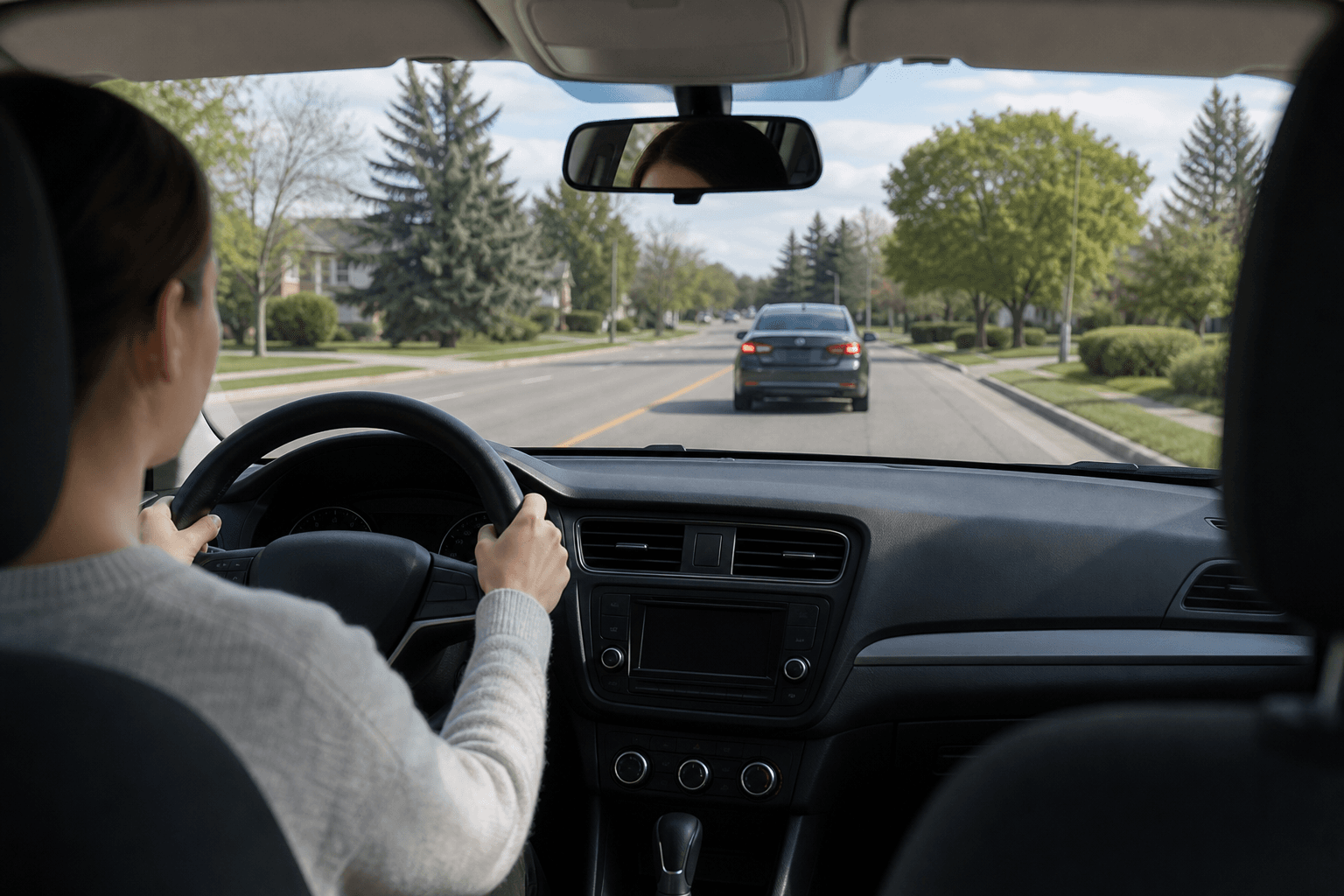
Parents should ask how a program moves from basic manoeuvres to decisions in real traffic. The provider should be able to explain how the teen will practise observation, gap selection, speed control, lane changes, and responses to changing conditions, then describe what progress looks like.
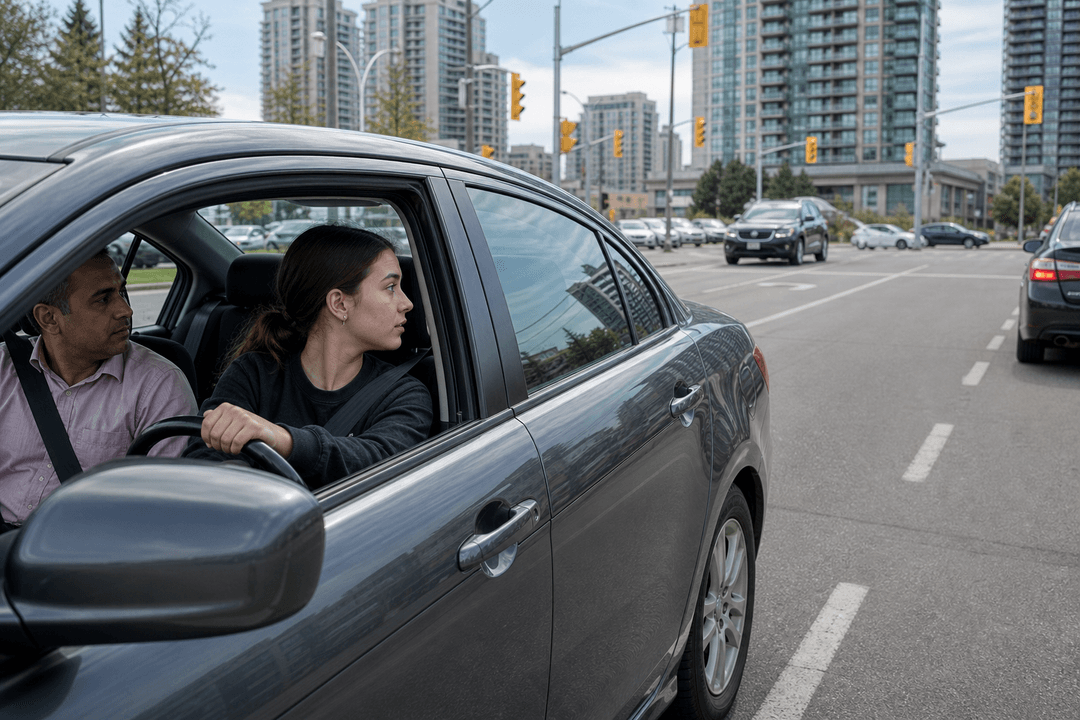
For example, a hypothetical learner changing lanes near a busy Mississauga arterial intersection may need to practise mirror checks, blind-spot checks, signal timing, gap selection, and what to do if the gap closes. Ask whether the program includes situations of increasing complexity, not only repeated manoeuvres on quiet roads.
Test preparation matters, but memorising a route is not the same as being ready to drive independently. Ask how the teen will apply the same skills on unfamiliar roads and in changing traffic. For a more detailed explanation of how defensive skills can fit into a program, review defensive driving training.
Match the program to the teen’s starting point
Starting with no driving experience
A beginner needs gradual progression from vehicle controls and low-risk practice to quiet streets, intersections, lane changes, parking, and complex traffic. BDE can provide structure, while private lessons can add individual correction.
A nervous or hesitant learner
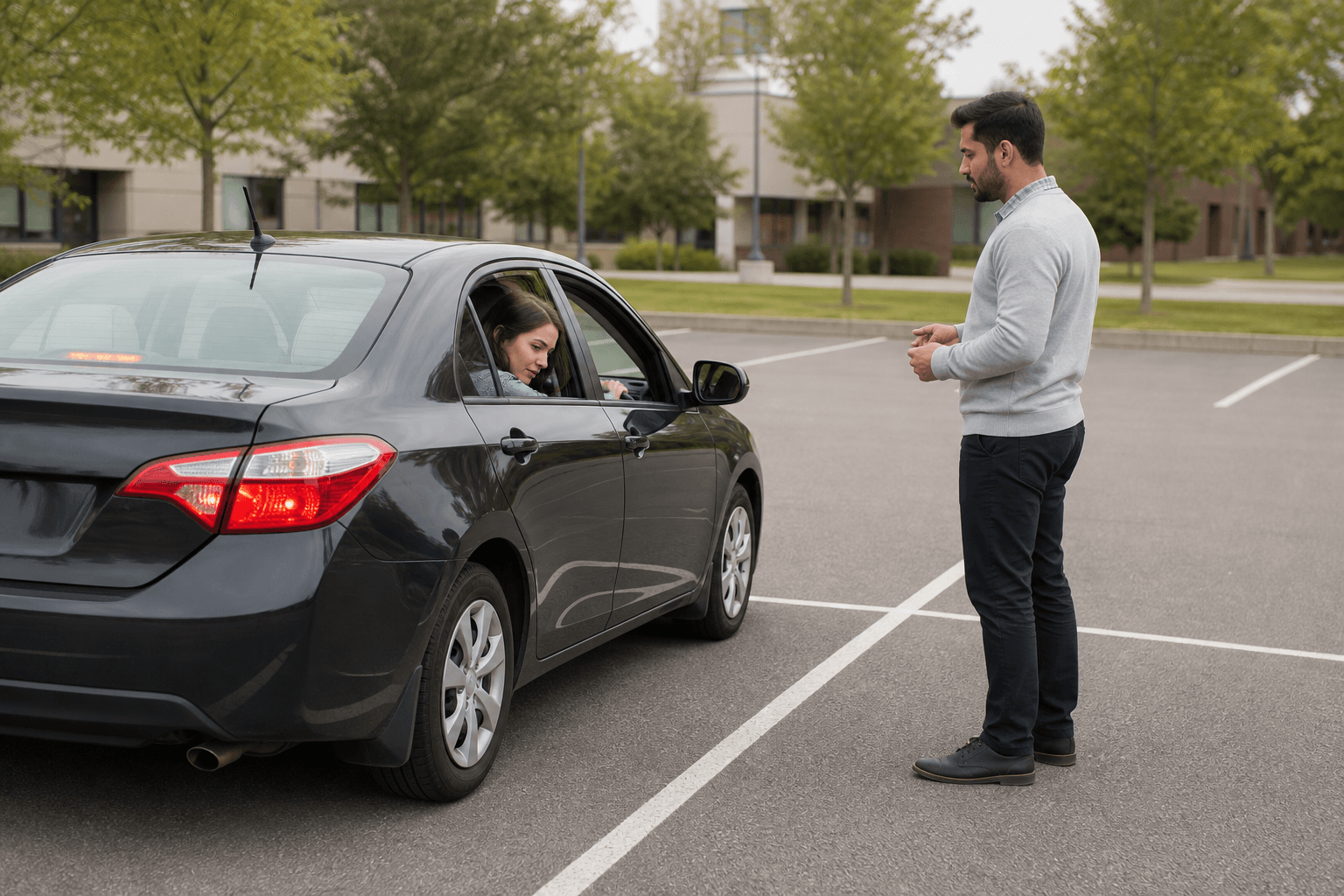
A nervous teen may benefit from one-on-one coaching that introduces difficulty in manageable stages without lowering safety expectations. Ask how the instructor responds when the learner freezes, repeats an error, or needs another explanation.
Patient instruction should remain active instruction. The instructor should explain the next decision, allow the learner to perform it, and provide clear feedback.
A student with a near-term G2 goal
A learner with a test timeline needs a skills assessment before committing to a fixed package. The plan should address observation, intersections, lane changes, speed control, parking manoeuvres, targeted correction, and realistic practice.
A developing driver planning for the G test
A teen with experience should continue developing independent judgement, higher-speed awareness, merging, following distance, and hazard anticipation. One targeted lesson may address a single weakness, while several gaps require a longer progression.
Khurana Driving School is based in Mississauga and serves Mississauga, Brampton, and the GTA. Its service information describes G2 and G road-test training, evening and weekend lessons, and defensive driving.
Families deciding whether private coaching fits can review private one-on-one lessons when personal feedback or flexible scheduling matters more than a standard group structure.
What parents and teens should verify before enrolment
Use these questions during a booking conversation:
- Approval: If BDE or government-approved is advertised, what is the school and program name on the current provincial listing?
- Structure: How many classroom, in-vehicle, and flexible hours are included?
- Instructor: Who teaches the teen, and what certification or registration applies?
- Lesson length: Is each session one hour, two hours, or another duration? How much is active instruction?
- Price: What is the total cost, and are taxes or other charges separate?
- Package terms: Does the package expire? Can unused lessons be rescheduled or transferred?
- Cancellation: What notice is required to change or cancel?
- Pickup: Where can the teen be picked up, and does pickup count as paid lesson time?
- Vehicle: Which vehicle is used for practice and, if offered, the road test?
- Schedule: Are evening and weekend times consistently available?
- Progress: How will strengths, recurring errors, and the next priority be explained?
- Testing: How are general learning, G2 preparation, and G preparation handled differently?
Do not assume a low advertised price includes the same hours, vehicle arrangements, or support as another package. Ask for terms in writing before paying.
A simple parent-teen plan for the first booking
Write down the teen’s licence stage, previous experience, immediate goal, and biggest concern. “I have a G1, no in-car experience, and want to build comfort before G2 practice” gives an instructor useful information.
Agree on one first-session goal, such as basic control, a baseline assessment, intersection practice, or identifying skills that need attention before choosing a package.
Share nerves, language needs, school commitments, work, and preferred evening or weekend times. Confirm pickup details, duration, price, cancellation terms, and how progress will be communicated.
Families comparing part-time scheduling can also review part-time driver training schedules before choosing a routine.
Khurana Driving School describes patient guidance, defensive-driving training, and evening and weekend availability. Confirm the exact lesson terms and current availability before booking.
Questions families often ask about teen driver programs
Can a teen start driving lessons before turning 16 in Ontario?
A teen must be at least 16 to apply for an Ontario driver’s licence. Confirm the current licence requirements before arranging any on-road instruction.
Does every private driving lesson count as a Beginner Driver Education course?
No. A private lesson is not automatically part of an approved BDE course. Confirm whether the provider offers approved BDE, ordinary one-on-one instruction, or both.
What should parents confirm before paying?
Confirm approval status, classroom and in-car hours, instructor credentials, lesson duration, total price, expiry, cancellation terms, pickup arrangements, vehicle use, scheduling, and progress feedback.
Is BDE better than private lessons for a nervous teen?
Not automatically. BDE may suit a teen needing formal structure and classroom learning, while private lessons may provide more gradual coaching. Either format can work when the pace and practice plan match the learner’s current skills.
Choose the next step that fits the learner
Teen driver programs are not one-size-fits-all. Compare the teen’s licence stage, experience, confidence, schedule, and goal first, then check whether the proposed training provides genuine structure, active coaching, and clear terms.
Families in Mississauga, Brampton, and the GTA can discuss their needs with Khurana Driving School’s driving lessons and confirm the current format, schedule, pricing, and preparation options before enrolling.